Damaged hair is one of the most common concerns we see in salons today. Heat styling, chemical treatments, pollution, stress, and even improper hair care routines slowly weaken the hair structure, leading to breakage, dryness, and loss of shine. One solution often recommended is protein treatment—but does it really work, and if so, which ones are worth your time and money?
What Is Hair Protein and Why Does It Matter?
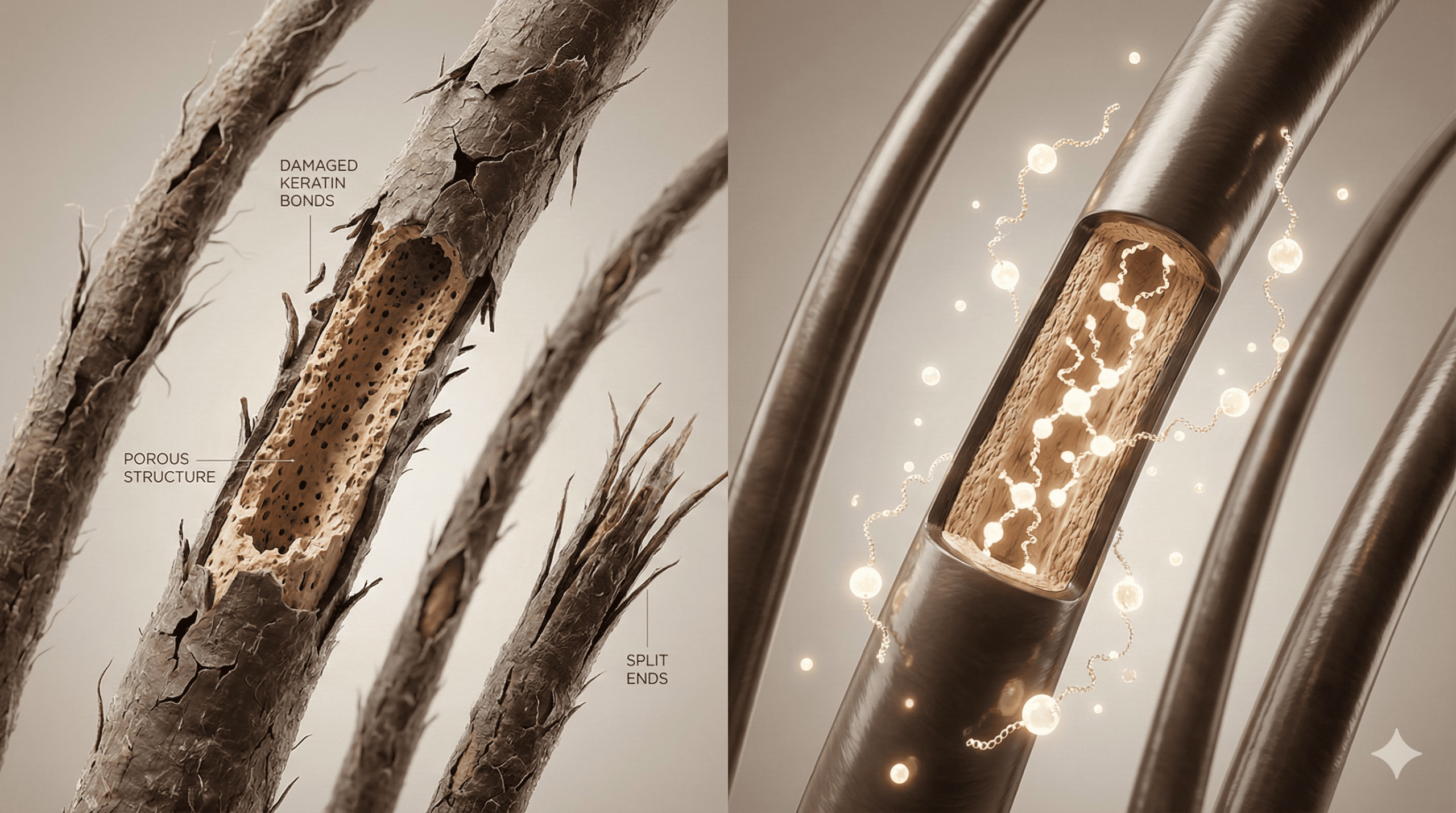
Your hair is primarily made of keratin, a type of protein. This protein gives hair its strength, elasticity, and smooth texture. When hair undergoes repeated chemical services (coloring, smoothening, straightening) or excessive heat styling, the protein bonds inside the hair shaft break down.
When protein is lost, hair becomes:
- Weak and brittle
- Rough and frizzy
- Prone to breakage and split ends
- Difficult to manage
Protein treatments aim to temporarily rebuild or reinforce this lost structure.
Signs Your Hair Actually Needs Protein (Not Just Moisture)
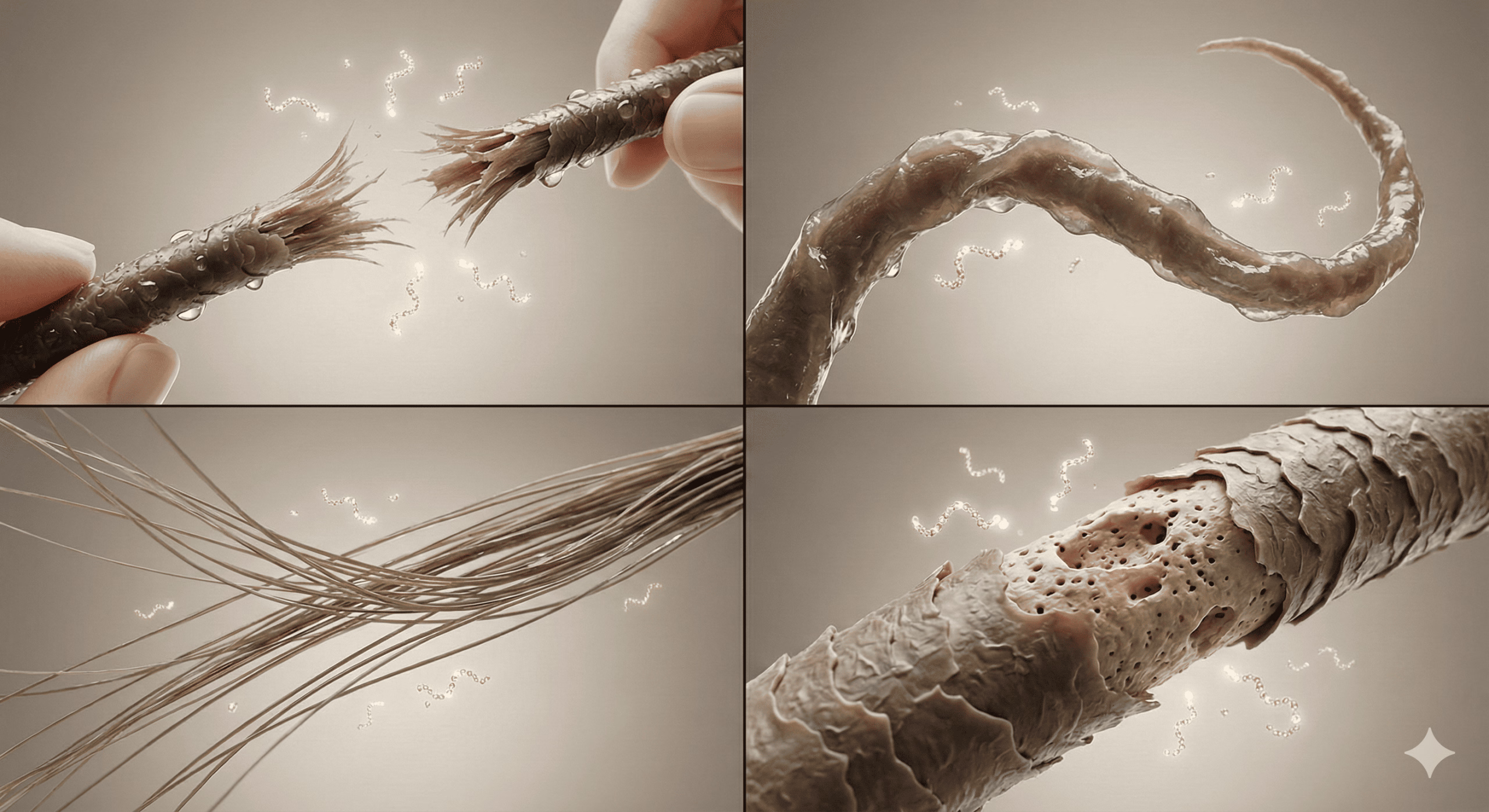
Protein treatments are not for everyone. Using them unnecessarily can make hair stiff and dry.
Your hair may need protein if:
- It breaks easily when wet
- Feels mushy or stretchy
- Looks limp even after conditioning
- Has gone through bleaching or chemical treatments
- Lacks strength despite using moisturizing masks
If your hair feels dry but still strong, you may need moisture, not protein.
Types of Protein Treatments: What Really Works
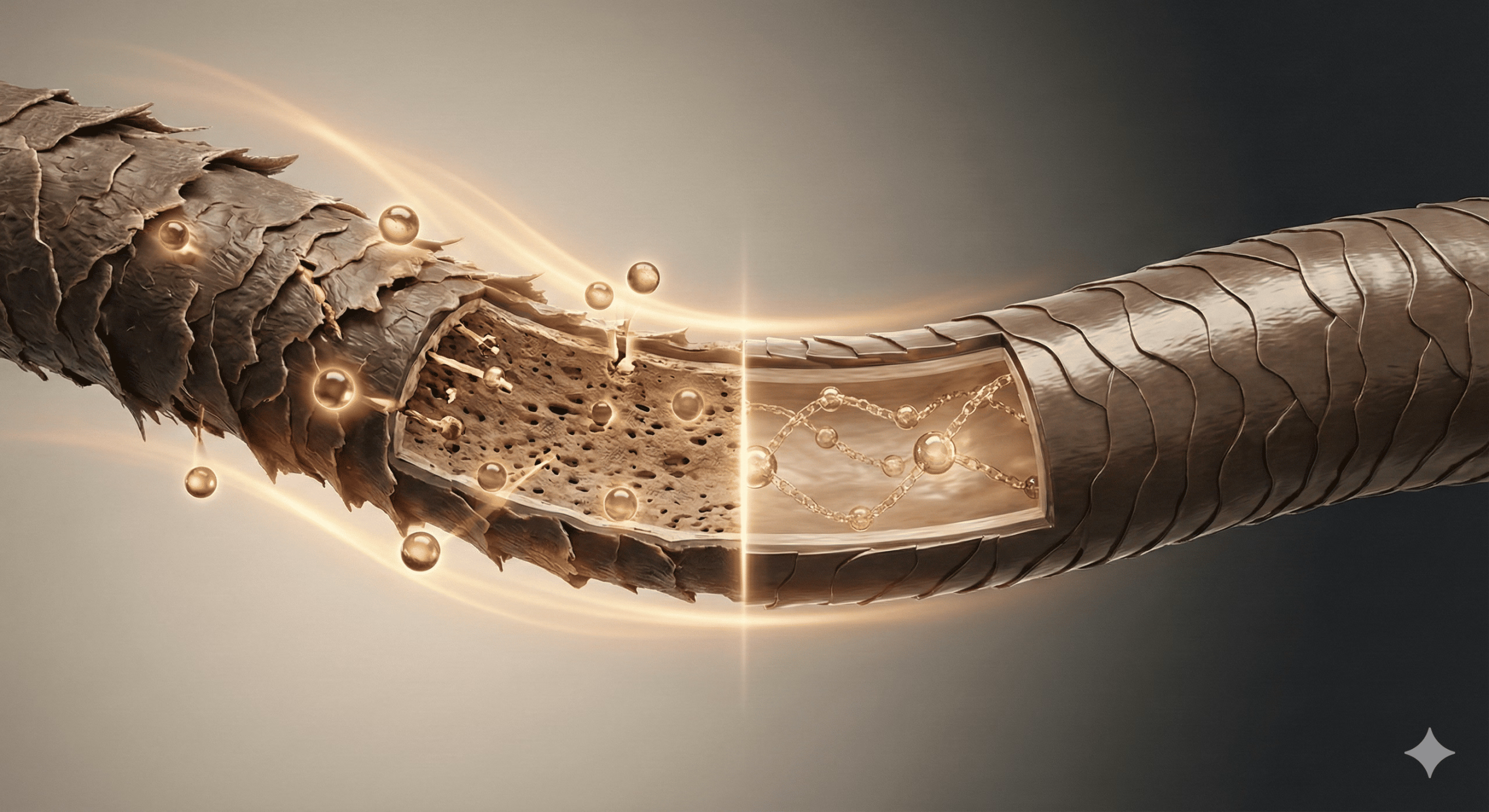
1. Professional Salon Protein Treatments
These are the most effective for damaged hair. Salon-grade treatments use controlled protein molecules that penetrate the hair shaft and seal damaged areas using heat and professional techniques.
Best for:
- Chemically treated hair
- Severe breakage
- Post-color or post-smoothening repair
Result: Stronger, smoother hair that lasts 3–6 weeks with proper aftercare.
2. Hair Botox & Advanced Repair Treatments
Though often misunderstood, hair botox treatments usually contain amino acids, proteins, and conditioning agents that repair damage without straightening the hair.
Best for:
- Frizz
- Dull, lifeless hair
- Mild to moderate damage
Result: Improved texture, shine, and softness without stiffness.
3. At-Home Protein Masks
These include masks containing hydrolyzed keratin, silk protein, or wheat protein. They work only on surface-level damage.
Best for:
- Maintenance after salon treatments
- Mild damage
Limitations: Results are temporary and inconsistent if overused.
4. DIY Protein Treatments
These are popular online but not scientifically reliable. The protein molecules are too large to penetrate the hair shaft and often leave hair stiff or smelly.
Verdict: Not recommended for damaged hair.
The Truth: Protein Alone Is Not Enough
One of the biggest misconceptions is that protein treatments alone can “fix” damaged hair. In reality:
- Hair needs protein + moisture balance
- Excess protein causes dryness and stiffness
- Excess moisture causes weakness and breakage
This is why professional consultation matters. A salon expert evaluates your hair porosity, elasticity, and chemical history before recommending a treatment.
How Long Do Protein Treatments Last?
- Salon protein treatments: 3–6 weeks
- Hair botox / advanced repair: 4–8 weeks
- Home masks: 1–2 washes
Longevity depends on:
- Sulphate-free shampoo
- Heat protection usage
- Washing frequency
- Post-treatment care
Q & A: Protein Treatments Explained
Q1: Can protein treatments repair split ends permanently?
No. Split ends cannot be repaired permanently. Protein treatments can temporarily smooth and seal them, but trimming is the only permanent solution.
Q2: How often should I do a protein treatment?
For most people, once every 4–6 weeks is enough. Overdoing protein can cause stiffness and breakage.
Q3: Is protein treatment safe for colored hair?
Yes—when done professionally. In fact, protein treatments help strengthen hair weakened by coloring.
Q4: Can I do protein treatments at home regularly?
At-home masks should be used sparingly (once every 2–3 weeks) and only if your hair truly needs protein.
Q5: Does protein treatment cause hair fall?
No. But incorrect use or overuse can make hair brittle, leading to breakage that looks like hair fall.
Q6: Protein or keratin—which is better?
Keratin is a type of protein. Keratin treatments often focus on smoothening, while protein treatments focus more on repair and strength. The choice depends on your hair condition.